Co-Creating Living and Learning Communities for a Rapidly-Changing World
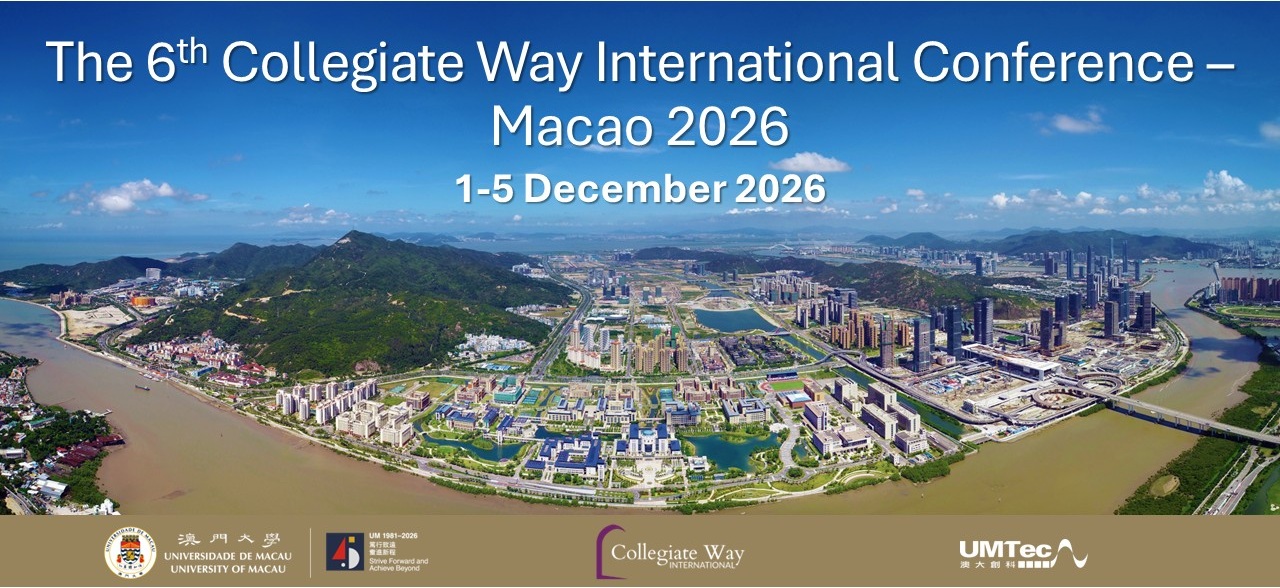
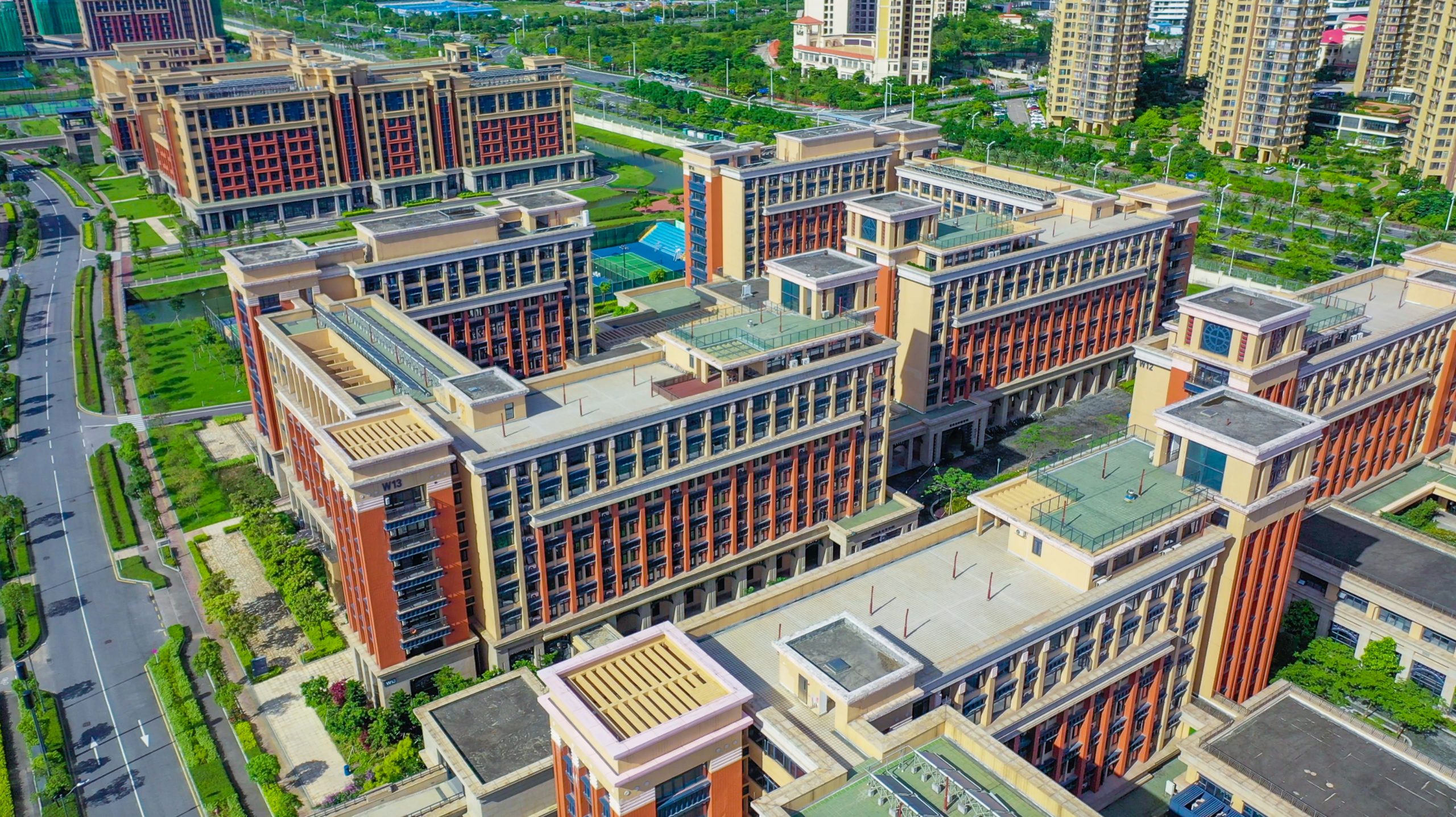
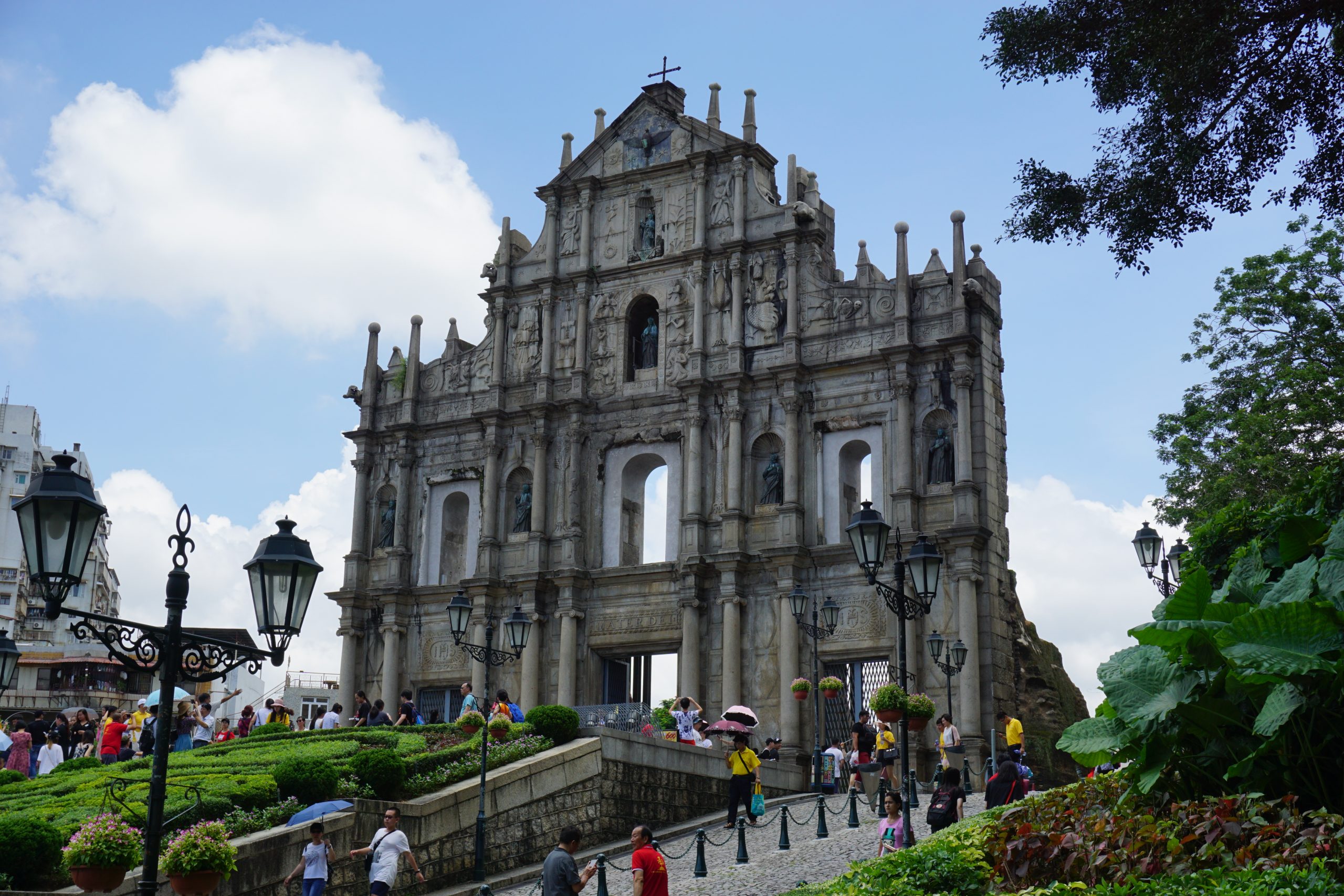
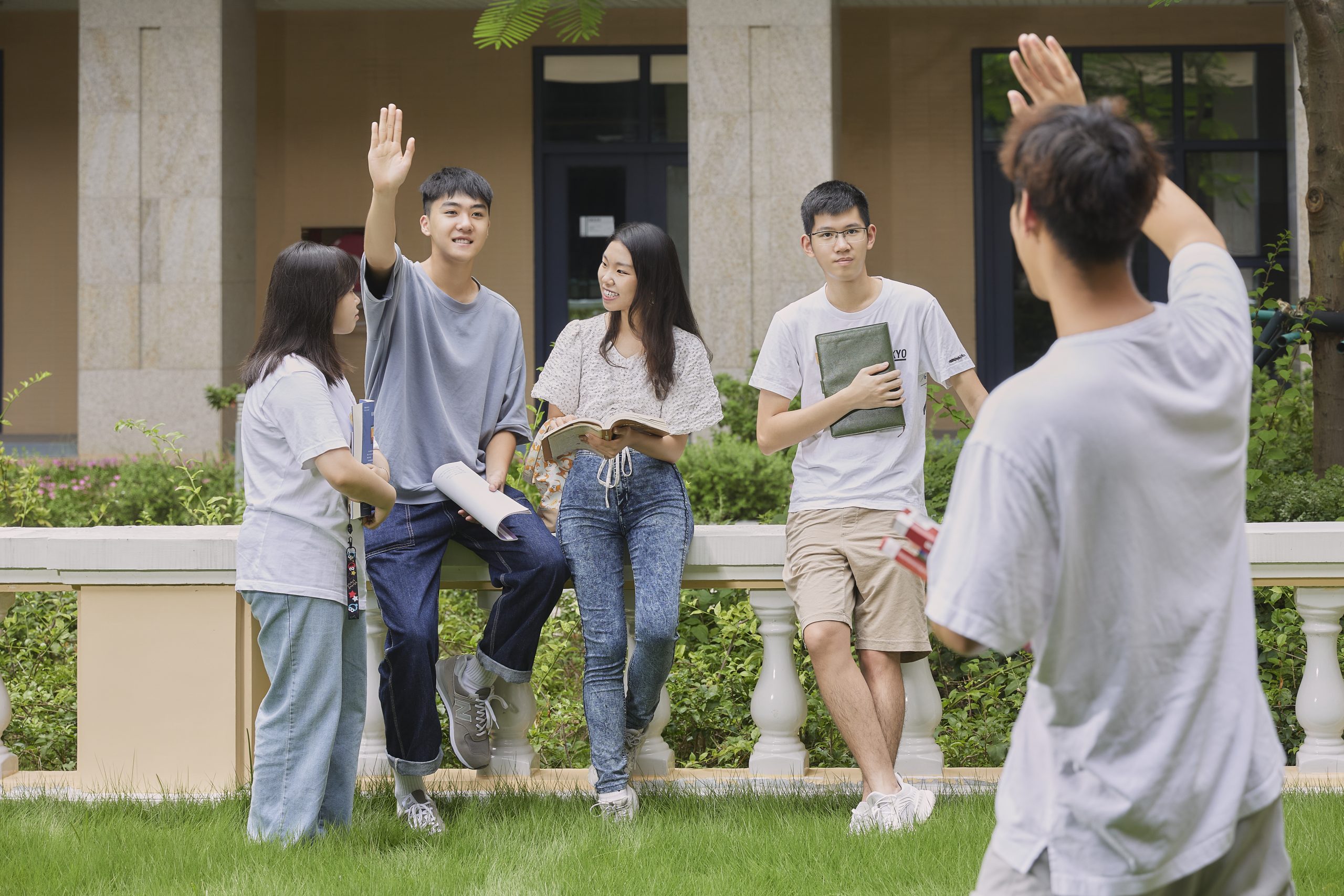
The University of Macau (UM) and the city of Macao are honored to host the Collegiate Way International (CWI) Conference 2026, a special edition aligned with UM’s 45th anniversary. Collegiate Way International promotes educational models that cultivate holistic development, interdisciplinary scholarship, academic integrity, civic responsibility, and humility across university colleges worldwide. UM’s Residential College (RC) system embodies these values by bringing together students from diverse academic and cultural backgrounds to live, learn, and grow as a community. Through shared activities, intercultural engagement, and strong traditions of student participation, UM’s RCs provide a vibrant environment where students contribute actively to shaping their collegiate life. Coupled with Macao’s unique East‑meets‑West cultural setting, the university offers a compelling landscape for global dialogue on the development of collegiate education and living‑learning communities.
Around the world, residential and collegiate systems are increasingly recognized as vital incubators of whole‑person education, strengthening academic learning through community involvement, intercultural exchange, and shared residential experiences. Many institutions are adopting structured experiential frameworks—including activity‑based learning, communal dining traditions, residential courses, academic support initiatives, and pastoral care systems—to intentionally cultivate collaboration, reflective practice, and engaged citizenship. These developments are supported by growing institutional investment in staff training, ensuring residential fellows, advisors, and student leaders are equipped with competencies in mentoring, emotional support, conflict mediation, and academic guidance.
As higher education continues to navigate rapid technological and societal transformation, residential colleges or collegiate education play an essential role in preparing students for emerging global challenges. Living‑learning environments are especially well‑positioned to foster ethical, responsible, and reflective engagement with new technologies such as artificial intelligence. Grounded in close mentorship, dialogue, interdisciplinary exchange, and character formation, collegiate settings encourage students to develop sound judgment, digital integrity, and a nuanced understanding of technology’s social implications. In culturally rich locations like Macao—historically a crossroads of global interaction—these conversations gain additional depth as students explore questions of identity, ethics, community, and the future of learning.

Collegiate Way International Advisory Board
Suhnne AHN, Johns Hopkins University
Kent BREAM, University of Pennsylvania
Tim BURT, formerly Durham University
Greg CLANCEY, National University of Singapore
George CONNOLLY, Oxford University
Martin DIXON, University of Cambridge
Simon DORMAN, Roehampton University
Phillip DUTTON, University of Wollongong
Michael EAMON, Trent University (Chair)
Martyn EVANS, formerly Durham University
Ermanno GHERARDI, University of Pavia
Brian GIBSON, Rice University
Barbara GREEN, formerly University Colleges Australia
Luis INOA, Vassar College
Desmond LAM, University of Macau
Ann MACLARNON, Durham University
Clark MADDUX, Appalachian State University
Richard MYERS, University of Waterloo
Stephen RAYNER, Oxford University
Mark B. RYAN, Yale University
Melanie SEDGE, Trent University
Joel SILVERMAN, Yale University
Lisa SUTHERLAND, University Colleges Australia
Kit THOMPSON, formerly University of Macau
Call for Abstracts
The Collegiate Way International Conference 2026 aims to bring these important threads together by convening scholars, practitioners, and students from around the world to explore innovative responses to contemporary challenges in residential and collegiate education. We invite abstract submissions (within 500 words) that present best practices, research findings, comparative insights, or theoretical perspectives related to living‑learning collegiate systems. Please submit your abstract via UM Conference Hub as an editable single MS Word file using the CWI conference 2026 abstract format template. Selected high‑quality presentations will be invited to submit full papers (2-6 pages including references) after the conference for publication of conference proceedings.
Areas of sub-themes
- Student agency and co‑creation in residential environments;
- Experiential learning frameworks/theories/methods for residential college education (e.g., activity learning, communal meals, residential courses, academic support, pastoral systems, and other educational measures);
- Staff development, mentorship models, and professional practice in collegiate systems;
- Intercultural and interdisciplinary learning within residential communities;
- Ethical AI, digital literacy, AI and community-based learning, and responsible use of emerging technologies in living‑learning environments;
- Assessment of community‑based and peer-driven educational methods as well as models;
- Operating models and management of collegiate systems.



Best Paper Award
To encourage high quality scholarship and showcase outstanding contributions to the advancement of collegiate and residential college education, the CWI Conference 2026 will include a Best Paper Award for each sub-theme. This award will recognize exceptional papers submitted by scholars whose work demonstrates originality, rigor, and meaningful insight into living learning communities, collegiate or residential college education. Good student presentations will be selected for Best Student Presentation Awards. Award recipients will be acknowledged during the closing ceremony and their work will be featured prominently in the conference proceedings.
Programme
1 December – arrivals, check in accommodation, registration, campus tour, networking dinner, bus city tour for registered guests
2-4 December – full conference days, ending with a formal dinner on 4 Dec at a residential college
5 December – UNESCO World Heritage Macao tour for registered guests
Kindly note that the above arrangements are tentative and may be updated upon confirmation.
Important Dates
- Open for Abstract Submission: March 2026
- Abstract Submission Deadline: May 2026
- Notification of Abstract Acceptance: July-August 2026
- Early-bird Registration Deadline: mid-September 2026
- Regular Registration Deadline: mid-November 2026
- Conference Period: 1-5 December 2026
- Submission of extended abstracts/full papers for being included in the conference proceedings: March 2027
Kindly note that the aforementioned dates are tentative and may be updated upon confirmation.
Registration Process
Registration will be available online through our secure payment system supported by UM Conference Hub. Details on how to register and make payments will be announced after notification of abstract acceptance.
Registration Rates
On-site Attendees
| Category | Early-bird (Aug-Sep 2026) | Regular (Oct-Nov 2026) |
| Presenter/Co-author | MOP2,680 (approximately USD330) | MOP3,490 (approximately USD430) |
| Participant/Student | MOP1,380 (approximately USD170) | MOP2,190 (approximately USD270) |
Registration includes:
- Access to all conference sessions;
- Conference pack with a handbook and conference materials;
- Meaningful opportunities to network with scholars and university representatives worldwide.
Notes:
- All fees are calculated in MOP and are non-refundable;
- The actual bank debit will determine the transaction exchange rate based on the exchange rate of the paying bank;
- Please do NOT send cash, and NO cheque is accepted;
- Only accepted papers of registered authors can be included in the conference proceedings;
- Participation is not guaranteed until full payment of the registration fee is received;
- Catering will be provided for all registered participants;
- Accommodation is not included;
- Registration is not transferable to other parties.
- Kindly note that the above rates are tentative and may be updated upon confirmation.
Venue & Travel to Macao

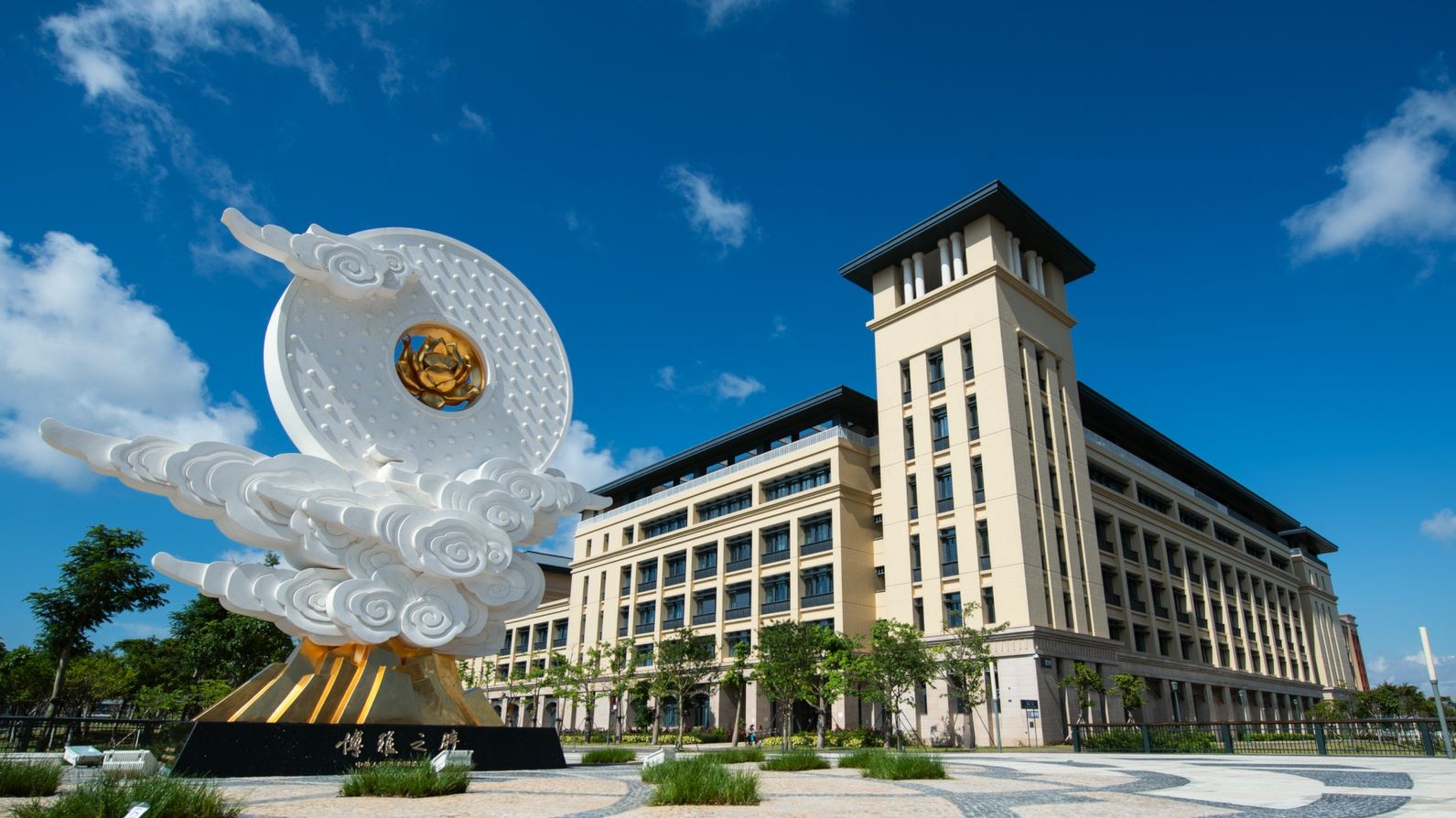
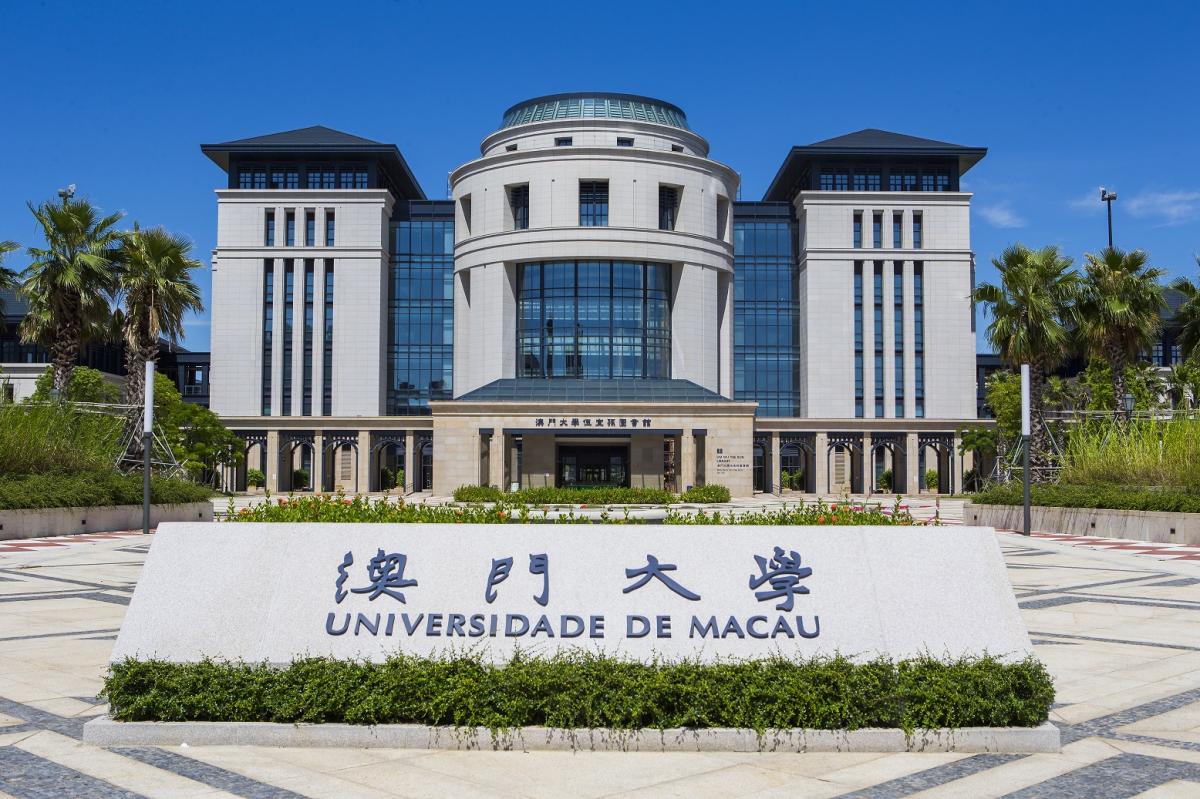
CWI Conference 2026 is hosted by University of Macau.
Address: University of Macau, Avenida da Universidade, Taipa, Macau, China.
Macao is a Special Administrative Region of the People’s Republic of China. Macao today has built up world class tourism industry with a wide choice of hotels, resorts and restaurants. Macao’s economy is closely linked to that of Hong Kong and Guangdong Province, in particular the Pearl River Delta region, which qualifies as one of Asia’s ‘little tigers’. Macao provides financial and banking services, staff training, transport and communications support. Macau International Airport operates 24 hours a day, with many visitors entering the territory via numerous major cities around the region. For detailed information on flight schedules, please visit www.macau-airport.com. For detailed information on how to get to Macao, please visit Macao Government Tourism Office website or UM’s Global Affairs Office webpage on Travel to Macao. For information on how to get to University of Macau, please visit Getting to UM.
Accommodation
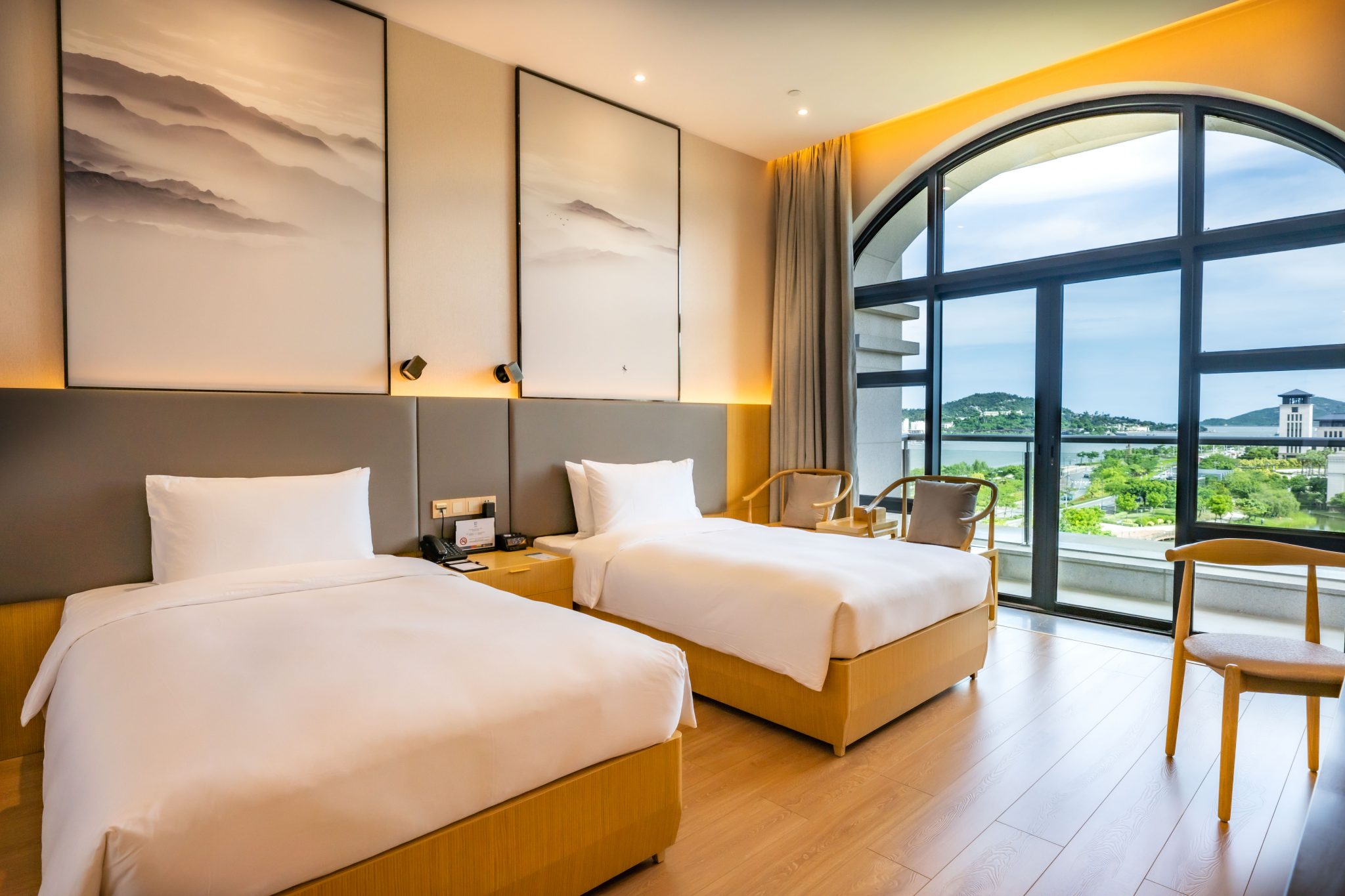
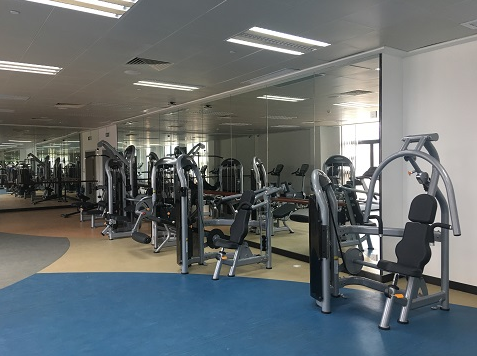
UM Guest House is located in N1 on campus and provides a comfortable and quiet environment.UM Guest House offers a variety of guest rooms, each fully equipped with full accommodation amenities to provide guests with modern, simple, charming and stylist accommodation experience. For further information, please go to UM Guest House website. More information on reservation making will be provided in due course.
Contact Us
For any queries, please contact: cwi2026macao@um.edu.mo
For more information on Collegiate Way International and past CWI conferences, please visit the Collegiate Way International website.
For more information on University of Macau’s Residential College education, please visit UMRC website.
Disclaimer
- Every endeavour will be made to follow the arrangements printed in our publicity materials. The conference organiser however reserves the right to alter the arrangements without prior notice under unforeseeable circumstances.
- The conference organiser is not responsible for any loss and/or damage to personal belongings during the conference period.
- Participants are advised to make arrangements for personal and travel insurance by themselves in advance if needed.
- The personal data collected from you will be used by the authorised personnel of the CWI Conference 2026 and UMTec for the purpose of processing your registration.